


What Rhinoplasty Involves Medically
- dynaichealth69
- 9 hours ago
- 4 min read

Rhinoplasty is a medically advanced facial procedure designed to reshape or reconstruct the nose for aesthetic and functional improvement. Many individuals seeking facial harmony and breathing enhancement explore Rhinoplasty as a long-term solution under professional surgical care. Rhinoplasty Dubai has become increasingly popular among patients looking for personalized nose reshaping procedures performed in modern medical environments, including facilities such as Dynamic Clinic in Dubai.
Understanding the Medical Purpose of Rhinoplasty
Rhinoplasty is more than a cosmetic alteration. Medically, it involves restructuring the nasal anatomy to improve appearance, airflow, or both. The procedure can address concerns related to:
Nasal asymmetry
Enlarged nasal bridge
Crooked nose structure
Wide nostrils
Nasal injuries or trauma
Congenital nasal irregularities
Breathing difficulties caused by internal obstruction
The nose contains bone, cartilage, skin, connective tissue, and delicate internal passages. During Rhinoplasty, surgeons carefully modify these structures while preserving natural facial balance.
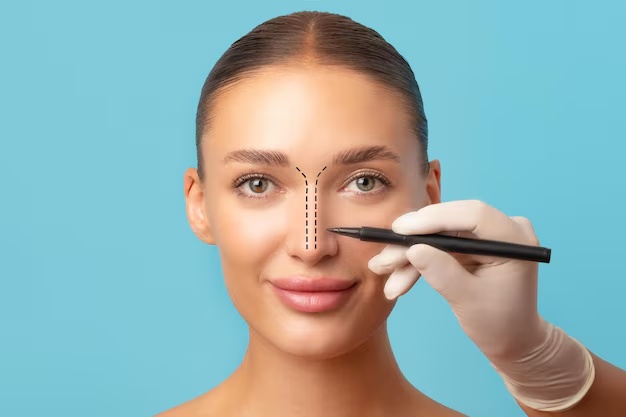
How the Nose Is Evaluated Before Surgery
A detailed medical assessment is an essential part of Rhinoplasty planning. Specialists evaluate both external appearance and internal nasal function before designing a treatment approach.
Common Areas Examined
Nasal bridge shape
Tip projection and rotation
Septum alignment
Skin thickness
Nasal airway condition
Facial proportions
Advanced imaging and facial analysis may also be used to understand how subtle nasal changes will complement other facial features.
Types of Rhinoplasty Procedures
Different surgical techniques are selected depending on the patient’s anatomy and treatment goals.
Open Rhinoplasty
Open Rhinoplasty involves a small incision between the nostrils, allowing greater visibility of the nasal framework. This method is commonly used for complex reshaping or structural correction.
Closed Rhinoplasty
Closed Rhinoplasty uses incisions placed inside the nostrils. Since there are no visible external cuts, this method is often preferred for moderate reshaping procedures.
Functional Rhinoplasty
This technique focuses primarily on improving breathing function. It may involve correcting airway obstruction, deviated structures, or collapsed nasal passages.
Revision Rhinoplasty
Revision Rhinoplasty is performed when a previous nose surgery requires correction or refinement. These procedures are typically more detailed because scar tissue and altered anatomy must be managed carefully.
What Happens During the Procedure
Rhinoplasty is generally performed under anesthesia in a controlled surgical setting. The procedure varies according to the structural changes required.
Typical Surgical Steps
Administration of anesthesia
Creation of surgical incisions
Reshaping of cartilage and bone
Adjustment of nasal symmetry
Correction of internal nasal structures if needed
Closure of incisions
Placement of protective support or splints
Some procedures require cartilage grafting to support nasal contours. Cartilage may be taken from the septum or other suitable areas depending on medical needs.
Medical Techniques Used in Rhinoplasty
Modern Rhinoplasty combines surgical precision with advanced structural planning. Specialists use refined techniques to maintain both appearance and nasal stability.
Structural Preservation
Preservation-focused approaches aim to reshape the nose while maintaining natural support tissues. This can help reduce excessive alteration and maintain smoother contours.
Cartilage Remodeling
Cartilage is carefully sculpted to refine the nasal tip, improve symmetry, or strengthen weak areas.
Septal Correction
When breathing issues are present, surgeons may correct the septum to improve airflow through the nasal passages.
Nasal Bone Refinement
In cases involving a dorsal hump or broad bridge, controlled bone reshaping techniques are used to achieve smoother nasal proportions.
Recovery Process After Rhinoplasty
The healing process occurs gradually as tissues settle into their new structure. Recovery experiences differ based on surgical complexity and individual healing patterns.
Common Recovery Stages
Mild swelling around the nose and eyes
Temporary nasal congestion
Protective splint placement
Gradual reduction in swelling over time
Progressive refinement of nasal shape
Patients are usually advised to avoid pressure on the nose during healing. Follow-up assessments help monitor structural recovery and breathing function.
Benefits of Rhinoplasty
Rhinoplasty can provide both cosmetic and functional improvements when performed with careful medical planning.
Potential Advantages
Enhanced facial harmony
Improved nasal proportions
Better breathing support
Correction of structural deformities
Restoration after nasal trauma
Increased confidence in facial appearance
Results are designed to complement natural facial characteristics rather than create an artificial appearance.
Who May Consider Rhinoplasty
Rhinoplasty is often considered by individuals who feel their nose affects facial balance or nasal function.
Suitable Candidates Often Include
Adults with fully developed nasal structures
Individuals with breathing concerns
Patients recovering from nasal injury
People seeking facial proportion improvement
Individuals with realistic treatment expectations
Medical consultation helps determine whether surgical correction is appropriate for the patient’s anatomy and goals.
Frequently Asked Questions
Is Rhinoplasty only cosmetic?
No. Rhinoplasty can also address medical issues such as breathing obstruction, septal deviation, and nasal trauma reconstruction.
How long does Rhinoplasty surgery take?
The procedure length depends on the complexity of the surgical plan and the type of corrections involved.
Does Rhinoplasty change breathing function?
Functional Rhinoplasty may improve breathing by correcting internal nasal structures affecting airflow.
Are there visible scars after Rhinoplasty?
Closed Rhinoplasty usually leaves no visible scars. Open Rhinoplasty involves a small external incision that typically heals discreetly.
Can Rhinoplasty correct a crooked nose?
Yes. Surgical reshaping techniques can improve nasal symmetry and alignment caused by genetics or injury.
Conclusion
Rhinoplasty is a medically detailed procedure that combines structural precision with aesthetic refinement. From correcting nasal asymmetry to improving breathing function, the treatment involves careful evaluation, surgical expertise, and individualized planning. With modern techniques focused on natural-looking outcomes and functional support, Rhinoplasty continues to be one of the most advanced facial procedures sought by patients aiming for balanced facial harmony and improved nasal performance.


Comments