


Can Laser Photo Rejuvenation Improve Sun-Damaged Skin?

Sun exposure is one of the leading causes of premature skin ageing, often resulting in uneven pigmentation, fine lines, rough texture, and visible sunspots. Laser Photo Rejuvenation in Dubai is a skin treatment approach designed to address several of these concerns, and Dynamic Clinic in Dubai provides a setting where individuals can explore professional skin rejuvenation options.
How Does Sun Exposure Change the Skin?
Repeated exposure to ultraviolet (UV) radiation can affect the skin's structure and appearance. UV rays penetrate different skin layers and contribute to collagen breakdown, pigmentation changes, and cellular damage. These effects may develop gradually, making sun damage difficult to notice in its early stages.
Common signs of sun-damaged skin include:
Dark spots: Areas of increased pigmentation caused by prolonged UV exposure.
Uneven skin tone: Irregular colour distribution across the face, neck, and other exposed areas.
Fine lines: Early wrinkles linked to reduced collagen and elastin.
Rough texture: Changes in skin renewal that can make the surface feel uneven.
Visible redness: Small blood vessels and persistent redness may become more noticeable.
The severity of these changes depends on sun exposure, natural skin characteristics, age, and daily sun protection habits.

Can Laser Photo Rejuvenation Target Sun Damage?
Laser photo rejuvenation may improve the appearance of certain types of sun damage by delivering controlled light energy into targeted skin structures. Depending on the technology used, the treatment may focus on excess pigmentation, visible redness, and signs of photoageing.
The light energy interacts with selected targets in the skin. Pigmented areas may absorb the energy, while certain technologies also stimulate processes associated with collagen remodelling.
This approach may help improve:
Sunspots and selected forms of superficial pigmentation.
Uneven skin tone and mild discolouration.
Some visible signs of skin ageing.
Fine lines and changes in skin texture.
Certain forms of redness associated with visible blood vessels.
The response varies according to the type of laser or light-based technology, the condition being treated, and individual skin characteristics.
What Happens During the Treatment?
The treatment process generally begins with a skin assessment to identify the type and extent of sun damage. A qualified practitioner reviews the individual's skin tone, pigmentation patterns, medical history, and previous responses to cosmetic treatments.
A typical treatment process may involve the following stages:
1. Skin Assessment
The practitioner examines the affected areas and determines whether the pigmentation or texture changes are suitable for laser-based treatment.
2. Skin Preparation
The treatment area is cleansed to remove makeup, sunscreen, and surface impurities. Protective eyewear is provided to reduce the risk of eye exposure.
3. Light Energy Application
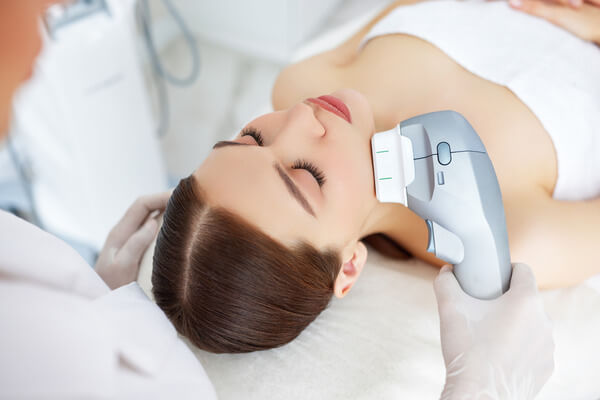
A suitable device delivers controlled pulses of light or laser energy to the selected areas. Some individuals experience mild warmth, tingling, or a brief snapping sensation.
4. Post-Treatment Care
The skin may appear slightly red or feel warm after the procedure. Aftercare instructions depend on the technology used and the individual's skin response.
Which Types of Sun Damage May Respond Best?
Not every form of sun damage responds in the same way. Treatment suitability depends on the underlying skin condition rather than appearance alone.
Skin concern | Potential treatment response |
Sunspots | May improve selected superficial pigmented spots |
Uneven pigmentation | May help create a more balanced appearance |
Fine lines | Certain technologies may support collagen remodelling |
Rough texture | Some treatments may improve surface smoothness |
Visible redness | Selected light-based treatments may target superficial blood vessels |
Deeper pigmentation, melasma, and certain inflammatory skin conditions require additional assessment. Some conditions can become more noticeable after inappropriate laser exposure, particularly when the skin is sensitive or prone to pigmentation changes.
Is Laser Photo Rejuvenation Suitable for All Skin Types?
Laser photo rejuvenation is not equally suitable for everyone. Skin tone, pigmentation depth, sensitivity, and medical history influence treatment selection.
Individuals with darker skin tones may have a higher risk of post-inflammatory hyperpigmentation with certain laser settings. A careful assessment is important to select an appropriate wavelength and energy level.
Treatment may need to be postponed or avoided in situations involving:
Active skin infections or open wounds.
Recent tanning or significant sunburn.
Certain photosensitive conditions or medications.
Unexplained or changing pigmented lesions.
Active skin irritation in the treatment area.
A professional assessment helps distinguish cosmetic pigmentation from skin changes that require medical investigation.
What Should You Expect After Laser Photo Rejuvenation?
The recovery period depends on the device and treatment intensity. Mild redness, warmth, swelling, or temporary sensitivity may occur. Some pigmented spots can temporarily darken before gradually fading.
Following the recommended aftercare routine can support skin recovery.
Important precautions include:
Apply broad-spectrum SPF 30 or higher every day.
Avoid direct sunlight and tanning during recovery.
Use gentle cleansers and moisturisers.
Avoid exfoliating acids and retinoids until advised.
Do not pick or scratch treated areas.
Follow the recommended skincare instructions.
Sun protection remains essential because continued UV exposure can contribute to new pigmentation and further skin ageing.
How Can You Maintain the Results?
Maintaining improvements requires consistent skincare and sensible sun protection. Even after successful treatment, the skin remains vulnerable to environmental damage.
Helpful long-term habits include wearing sunscreen, reapplying it when outdoors, using protective clothing, and limiting exposure during periods of intense sunlight. Antioxidant skincare products may also complement a suitable daily routine, although they cannot replace sunscreen.
Regular skin assessments can help identify new pigmentation changes and determine whether additional treatment is appropriate.
Conclusion
Laser photo rejuvenation may improve selected signs of sun-damaged skin, including sunspots, uneven pigmentation, mild redness, and certain visible signs of ageing. Its effectiveness depends on the treatment technology, skin condition, and individual response. A proper skin assessment, realistic expectations, and consistent sun protection are important parts of achieving and maintaining healthier-looking skin.


Comments