


What Role Does Treatment Planning Play in HIFU Treatment Cost?

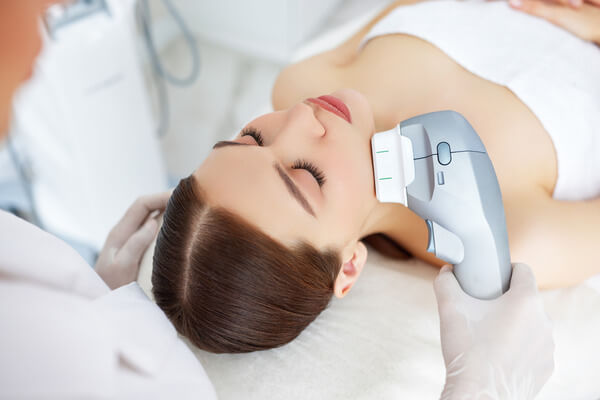
High-Intensity Focused Ultrasound (HIFU) is a non-invasive procedure used to improve skin firmness and reduce visible signs of ageing. HIFU Treatment Cost in Dubai is closely associated with the planning process, as each treatment requires an individual assessment of skin condition, treatment areas, and aesthetic goals. At Dynamic Clinic in Dubai, understanding these considerations helps patients make informed decisions about their treatment journey.
Why Is Treatment Planning Important for HIFU?
Treatment planning is an important part of HIFU because every person's skin has different needs. Factors such as skin laxity, tissue thickness, facial structure, and the areas requiring attention can influence the approach.
A personalised plan helps determine how ultrasound energy should be delivered to the targeted tissue. It also helps establish realistic expectations and reduces the risk of using an unsuitable treatment approach.
Without proper planning, it may be difficult to select the right treatment areas or determine the appropriate session schedule.
How Does Skin Assessment Influence Treatment Planning?
A skin assessment helps identify the concerns that HIFU may address. During this stage, several factors are considered:
Skin laxity: The degree of looseness helps determine the level of treatment required.
Skin thickness: Tissue depth can influence the selection of ultrasound settings.
Treatment areas: The face, jawline, neck, and other body areas may require different approaches.
Age-related changes: Changes in collagen and skin elasticity can affect treatment goals.
Overall skin condition: Existing skin concerns may influence treatment suitability.
This assessment provides a foundation for developing a treatment plan that reflects individual requirements rather than following a standard procedure for everyone.
Does the Treatment Area Affect HIFU Planning?
Yes. The selected treatment area plays an important role in determining how HIFU is performed. Different parts of the face and body have different tissue structures, skin thicknesses, and treatment requirements.
For example, the jawline may require attention to skin firmness and contour definition, while the neck may need a more careful approach because of its delicate structure.
Common treatment areas include:
Forehead and brow region
Cheeks and lower face
Jawline and chin
Neck and under-chin area
Selected body areas
The treatment provider considers the size and condition of each area before deciding how to distribute ultrasound energy.
What Role Do Ultrasound Settings Play in Treatment Planning?
HIFU uses focused ultrasound energy to create controlled thermal points beneath the skin. These points stimulate the body's natural collagen production process.
The depth of energy delivery is an important consideration during planning. Different ultrasound transducers may target different tissue layers, depending on the device and treatment area.
The selected settings may depend on:
The depth of the targeted tissue.
The thickness and condition of the skin.
The location of the treatment area.
The patient's comfort and treatment tolerance.
The intended aesthetic outcome.
Appropriate settings help ensure that energy is delivered to the intended tissue while reducing unnecessary exposure to surrounding structures.
Can Session Planning Influence Treatment Requirements?
HIFU results generally develop gradually as the body produces new collagen. Therefore, treatment planning may also include decisions about session intervals and follow-up assessments.
Some individuals may achieve their desired improvement after one session, while others may require additional evaluation. The decision depends on skin condition, treatment response, and individual goals.
A well-organised session plan considers:
The initial condition of the skin.
The expected response to ultrasound energy.
The time required for collagen remodelling.
The need for follow-up appointments.
Whether additional treatment is appropriate.
Allowing sufficient time between sessions also helps the provider assess the skin's natural response before recommending further procedures.
Why Are Individual Treatment Goals Important?
Patients may choose HIFU for different reasons. Some want to improve jawline definition, while others focus on mild skin laxity around the cheeks or neck.
Clear treatment goals help establish realistic expectations and guide decisions about the areas that need attention. They also help distinguish between concerns that may respond to HIFU and those that may require another approach.
HIFU is not suitable for every skin concern. Severe skin laxity, certain medical conditions, or specific anatomical factors may affect suitability. A professional assessment is therefore important before proceeding.
How Does Follow-Up Assessment Support Treatment Planning?
Follow-up assessments help evaluate changes after treatment. Since collagen production takes time, immediate results may not represent the final outcome.
During follow-up, the provider may assess:
Changes in skin firmness.
Improvement in the treated areas.
Skin sensitivity or temporary swelling.
Patient comfort and satisfaction.
Whether further treatment is necessary.
These observations help guide future decisions and prevent unnecessary repeat procedures.
Conclusion
Treatment planning plays an important role in HIFU by connecting individual skin needs with an appropriate treatment approach. Skin assessment, treatment area selection, ultrasound settings, session intervals, and follow-up evaluations all contribute to the overall process. For individuals exploring HIFU in Dubai, understanding these factors can help them make informed decisions, develop realistic expectations, and prioritise treatment suitability and safety.


Comments